
 By
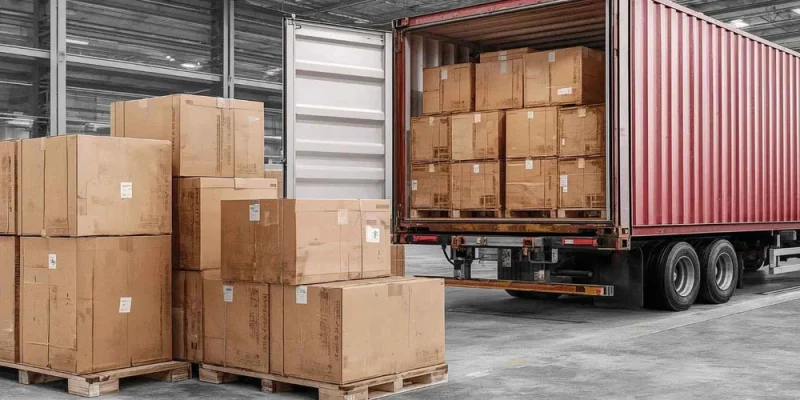
Air cargo moves fast. Shipments arrive at the warehouse, get sorted, get built up and then race to the ramp to meet tight departure windows. Every handoff along the way is a chance for delays, damage, miscounts or confusion.
At the center of that process are unit load devices, or ULDs. These containers and pallets hold cargo during flight, and moving them safely on the ground is just as important as moving them in the air.
That’s where specialized handling equipment comes in.
Understanding the Role of ULDs on the Ground
ULDs are designed to fit aircraft holds and lock into onboard systems. They’re built for flight, not for being dragged across concrete or lifted carelessly with forklift tines.
When ground crews lift a ULD directly with a forklift, the base can bend, warp, crack or puncture. A damaged ULD may need repairs or be pulled from service, and in some cases, it can’t be loaded at all until it’s inspected.
That’s costly for airlines and cargo handlers, and it can slow down an entire operation. Repairs take time, and spare containers aren’t always on hand during peak season.
Protecting Containers During Handling
Transfer pallets, sometimes called slave pallets, solve that problem by giving ULDs a sturdy, mobile platform. Instead of lifting the container itself, a forklift lifts the pallet underneath it.
The pallet takes the stress, while the ULD sits safely on top. That helps protect the base of the container, improve stability, reduce damage from uneven lifting and extend the working life of expensive equipment.
Many pallets feature roller or ball transfer surfaces that let crews slide ULDs on and off with less effort. Depending on the design, cargo can move in a straight line or in multiple directions, making it easier to line up with roller beds, dollies, loaders and other ground equipment.
Moving Cargo Faster Through the Facility
Speed is critical in air cargo. Missed connections and late departures can ripple through an entire network.
Using transfer pallets helps crews move ULDs quickly between build-up areas, storage racks, ramp staging zones and the equipment that brings cargo planeside. Because the pallet can be picked up by a forklift from more than one side, operators spend less time maneuvering in tight spaces.
These pallets also make temporary staging easier. During busy periods, ULDs can be parked on pallets until they’re ready to move, keeping them off the floor and organized for the next step. Clearly labeled pallets also make it easier to track which container is headed for which flight.
The result is smoother flow, fewer bottlenecks, less manual handling and more predictable turnaround times.
Choosing the Right Pallet Design
Not every operation has the same needs. The right pallet depends on the types of ULDs you handle, the equipment you use, the layout of your facility and how often containers move.
Fork access is one key factor. Some pallets allow forklifts to approach from the front and back only, while others allow access from every side, which adds flexibility in crowded warehouses.
Roll plane height matters, too. Matching the height of the pallet’s rolling surface to your existing roller decks and transfer equipment helps cargo glide from one surface to another without lifting or tipping.
Durability and build quality are also important. Pallets that hold up to daily use, heavy loads, frequent forklift contact and outdoor conditions can reduce maintenance and replacement costs over time.
When comparing options, look for manufacturers that offer custom configurations, clear technical specifications, reliable support and equipment designed specifically for air cargo handling.
Improving Safety for Ground Crews
Better equipment also supports a safer workplace. Lifting ULDs without proper support can lead to shifting loads, dropped containers, damaged equipment and injuries.
Stable pallets give crews more control, make handling more predictable, reduce strain from pushing or pulling heavy cargo and help keep loads secure during transport.
Keeping Air Cargo on Schedule
In an industry where minutes matter, small improvements in ground handling can make a big difference.
By protecting ULDs, speeding up transfers, simplifying staging and improving safety, transfer pallets help cargo operations stay efficient and keep shipments moving on time.







Comments