
 By
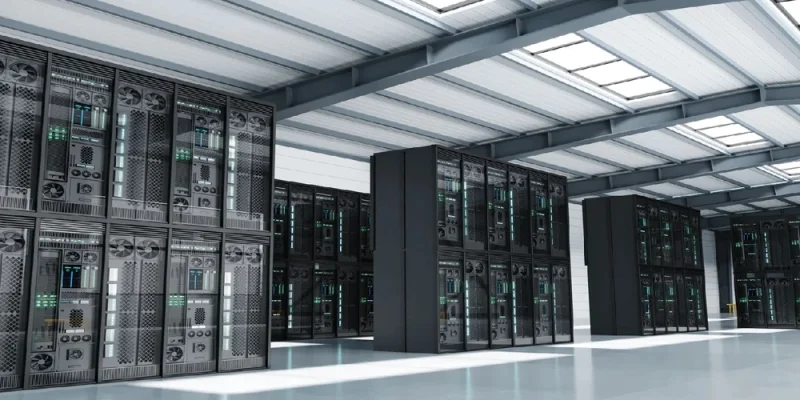
Conventional data center site selection begins with two questions: is there enough power, and is the fibre close by? Those remain essential, but they no longer settle the matter. Facilities built today will operate for decades in a climate that is growing hotter and less predictable, under tighter scrutiny of their energy and water use. A sound decision weighs a wider set of factors together, and gives physical risk and resource constraints the same attention as cost and connectivity.
Power Availability and Grid Stability
Electricity is the first constraint. Operators need large, reliable capacity, often from more than one substation, and a clear timetable for connection. In several established hubs, grid capacity has become scarce and new connections face long delays or outright moratoria. Reliability history matters as much as headline capacity, since every outage is met with diesel generation. The carbon intensity of the grid and access to renewable supply are increasingly part of customer and regulatory expectations.
Connectivity and Latency
A site must reach its users quickly. That means proximity to multiple carrier networks, internet exchanges and, for international traffic, submarine cable landing points. Diverse physical routes into the building reduce the chance that one cut isolates it. Latency requirements vary by workload: financial trading and real-time services need to be near users, while batch processing and model training can be placed further away where land and power are cheaper.
Water and Cooling Demand
Many cooling systems consume significant volumes of water, and this has become a point of friction in water-stressed regions. Site assessment should examine current and projected water availability, competing demands from agriculture and households, and the attitude of local authorities. Design choices can reduce dependence, including air cooling, closed-loop systems and use of recycled water, though each carries energy or cost implications. A site with secure power but uncertain water may prove difficult to permit or expand.
Physical Climate Hazards
A facility expected to deliver near-continuous uptime cannot be placed carelessly with respect to flood, storm, wildfire, subsidence or seismic activity. Historical maps are a starting point, but they describe the past. Developers now apply asset-level climate risk scoring to candidate plots, testing each against future scenarios for the full operating life. The assessment should extend beyond the fence to access roads, substations and fibre routes, because a dry building with no power or access is still offline.
Heat Trends and Cooling Efficiency
Ambient temperature directly affects operating cost. Cooler climates allow more hours of free cooling using outside air, reducing energy consumption. As average and peak temperatures rise, those hours shrink and mechanical cooling works harder. Equipment sized for today’s design temperature may be inadequate in twenty years. Site selection should therefore consider projected temperature and humidity, not just current averages, and designs should leave headroom for conditions more demanding than the present.
Land, Zoning and Permitting
The plot must be large enough for the initial build and for expansion, with ground conditions suited to heavy loads. Zoning must permit the use, including fuel storage and generator emissions. Permitting timelines vary widely between jurisdictions and can determine whether a project meets its target date. Noise limits, height restrictions and setback rules all affect layout. Early engagement with planning authorities helps identify obstacles before significant money is committed.
Regulation, Data Residency and Incentives
Some customers and regulators require data to be stored within national borders, which fixes the country if not the exact site. Tax treatment, investment incentives and energy tariffs differ between regions and can materially change the business case. Rules on energy efficiency and sustainability reporting for large facilities are tightening in a number of markets. Political stability and the predictability of the legal system matter for an asset with a long payback period.
Construction and Operating Cost
Land price is a small part of the total. Construction cost depends on local labour, materials and the availability of experienced contractors. Operating cost is dominated by electricity, followed by staffing, maintenance and taxes. A site with cheaper land but higher power prices or a hotter climate may cost more over its life. Total cost of ownership modelling over fifteen to twenty years gives a truer comparison than upfront capital alone.
Community and Environmental Scrutiny
Large facilities attract attention for their demands on power and water, their visual impact and the modest number of permanent jobs they create. Opposition can delay or block projects. Operators who address these concerns early tend to fare better, for example by committing to renewable supply, offering waste heat for district heating, limiting water use and contributing to local infrastructure. Understanding community sentiment is now a practical part of due diligence.
Weighing the Factors Together
No site is best on every measure, so the task is structured comparison. Set threshold requirements that cannot be traded, such as minimum power capacity and acceptable hazard exposure, then score remaining candidates on weighted criteria. Test whether the ranking holds if weights change. Finally, consider how well a region is adapting to climate pressures through investment in grids, water systems and flood defences, because the surrounding infrastructure will determine whether a well-built facility can keep running.






Comments