
 By
By 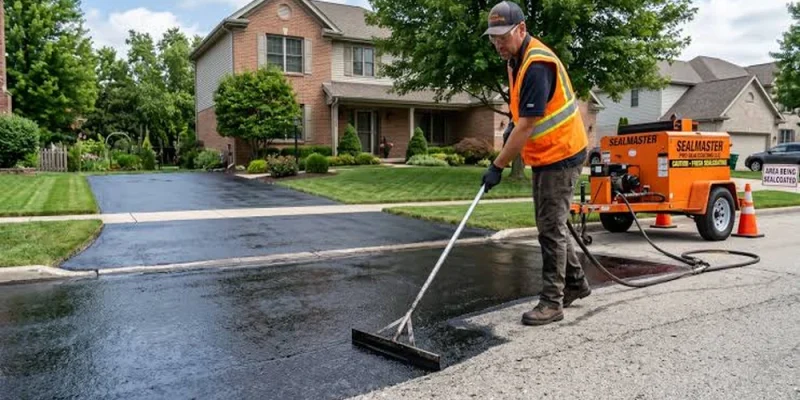
Pavement doesn’t usually die of old age. It dies from choices made long before the first ton of asphalt hits the ground – the wrong slope, a base that was never built for the traffic it would carry, a layout that fights how vehicles actually move. Get those calls right and a lot lasts thirty years. Get them wrong, and ten is optimistic.
Problems are usually caused by drainage and subgrade issues, rather than poor asphalt mix. Those owners who use an experienced paving team in Knoxville, such as https://www.americanpavingtn.com/knoxville/, identify all potential problems at the design stage, way before cracks appear ten years from now.
Why Layout Decides Lifespan
A parking lot is a load-bearing structure that happens to be flat, not a backdrop for landscaping. Traffic angle, aisle width, and stall geometry decide where weight piles up – and weight cracks asphalt first, not sunshine.
- 90-degree stalls pack in the most cars but funnel braking stress into the same lanes
- 60-degree layouts ease maneuvering but eat up more perimeter space
- Delivery zones need a heavier build than the rest of the lot
Drainage: The Real Failure Point
In cases of pavement failing prematurely, the guilty party is standing water and not traffic. The water seeps through the base, where it weakens the pavement through freeze-thaw action.
The rule of thumb is a minimum 1-2% slope across any paved surface, enough to send runoff toward a collection point – a figure that lines up with federal stormwater management standards. Skip this at the layout stage, and you’ve scheduled the next resurfacing.
ADA Slope Rules And Durability
Accessibility rules aren’t separate from durability planning – they’re baked into it. Accessible stalls and their routes can’t exceed a 2% cross slope in any direction, per federal accessibility guidelines, which forces that zone to stay nearly flat while everything else grades around it. Get the order backward, and the retrofit fails inspection.
Base Depth Versus Traffic Load
Everybody sees the asphalt surface; few consider the underlying crushed stone that actually supports the weight, although this is where the difference lies. If there isn’t enough crushed stone under very busy transport trucks, the surface will form ruts irrespective of the composition. The Federal Highway Administration reports that service life is determined by structural design and not the asphalt thickness.
| Maintenance Quality | Usual Life Expectancy | Structural Deterioration after 20 Years |
|---|---|---|
| Poor (no sealcoating/crack filling) | 10-15 years | ~45% |
| Good maintenance | 15-20 years | ~25% |
| Proactive maintenance program | 25-30+ years | ~10% |
Maintenance Costs By Neglect Stage
Here’s what owners underestimate: deferred maintenance doesn’t just shorten a lot’s life; it compounds the bill. A crack sealed early runs a few dollars a foot. Ignore it, and it becomes a patch job, then a full resurfacing project.
- Crack sealing – the cheapest fix, worth doing yearly
- Patching – what’s left once water has already reached the base
- Resurfacing – often ten times the cost of staying ahead of it
About one-fifth of the roads in America have a poor rating according to the American Society of Civil Engineers, showing how widespread maintenance deferral is in practice.
Choosing The Right Paving Partner
Layout, drainage, and base design can’t be handled separately – they need to be engineered as one project, not patched together after the crew shows up. A contractor who looks at traffic patterns, soil, and code compliance together, the way americanpavingtn.com does, saves owners from the redesign costs of treating those pieces in isolation.
FAQs
How often should a commercial lot be resealed?
Every 2-3 years under normal traffic, sooner with heavy delivery trucks or hard freeze-thaw cycles.
Can an existing lot be regraded without full replacement?
Usually – overlay grading fixes minor pooling if the base underneath is still sound.
Does striping affect ADA compliance separately from paving?
It does – faded striping alone can trigger a violation even when the slope is compliant.
What’s the biggest layout mistake owners make?
Putting accessible stalls on the steepest part of the lot, setting up a grading conflict from the start.
Is concrete more durable than asphalt?
Concrete can withstand greater pressure; however, the initial cost of construction will be higher, as well as patching of individual areas.
Build for Longevity
The lifespan of a parking lot is determined by the moment it shows cracks, yet its fate was sealed on the day when the project plans were designed. Slope, base thickness, and traffic patterns matter more than the asphalt type when it comes to long-term expenses. Property owners who see paving as an engineering process rather than just a cosmetic one save money compared to those who consider it to be a one-off expenditure.








Comments