
 By
By 
A luxury mattress promises restorative sleep, but beneath its plush surface lies an uncomfortable truth: these unwieldy giants are among the most problematic waste items in modern homes. As sustainable living evolves from buzzword to imperative, the way we dispose of premium mattresses is demanding new scrutiny.
The Hidden Environmental Cost of Premium Mattresses
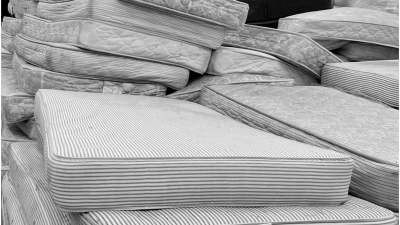
Every year, millions of mattresses are hauled off to landfills. These aren’t just ordinary trash; mattresses are bulky, challenging to compact, and stubbornly slow to decompose. In luxury homes, where quality and longevity are prized, old mattresses are replaced not out of necessity but for comfort upgrades or style refreshes. That means the waste from high-end mattresses is accumulating faster than most realize.
Why Mattresses Are a Major Waste Problem
With their combination of foam, fabric, metal springs, and adhesives, mattresses don’t break down like organic waste. Instead, they persist in landfills for decades, taking up valuable space and creating logistical nightmares for waste management facilities. In fact, the average mattress can linger in a landfill for decades before even beginning to disintegrate.
The Long Lifespan of Mattress Waste in Landfills
For most household items, “out of sight” eventually becomes “out of mind.” Not so for mattresses. Once buried, their synthetic materials retain their shape and structure, effectively mummifying the waste. This slow degradation process means that even mattresses discarded in the 1980s could be largely intact today.
Impact on Land, Water, and Air Quality
The environmental toll goes beyond unsightly mounds. As mattresses eventually break down, their chemical additives and synthetic fibers can leach into soil and groundwater. Incinerating them isn’t much better, burning the mix of foams and fabrics releases pollutants into the atmosphere. When luxury consumer choices lead to greater waste, the ecological cost multiplies.
Innovations in Mattress Recycling: A Sustainable Alternative
Fortunately, discarding a premium mattress no longer has to mean a permanent environmental footprint. Modern recycling programs are transforming old mattresses from bulky waste into valuable resources.
How Mattress Recycling Works
Mattress recycling is a multi-step process. First, the mattress is dismantled, and each component, foam, metal, textiles, is separated. These materials are cleaned and then processed for reuse. Foam can become carpet underlay, metal springs are melted for new steel, and fabrics are transformed into industrial filters or insulation.
The Role of Companies Like Recyc-Matelas in Canada
In Canada, companies such as Recyc-Matelas have pioneered large-scale, sustainable mattress recycling. They offer a genuine alternative to landfill, diverting over 4 million mattresses from burial to reuse. By breaking down and reusing mattress components, they are not just reducing waste, but also fostering a circular economy in the bedding industry.
Key Materials Recycled and Their Reuse Potential
A single mattress may contain up to 90 percent recyclable materials. Springs become scrap metal; foam is reborn as cushioning; even wood frames are repurposed for chipboard. This material recovery prevents unnecessary resource extraction and keeps valuable materials cycling through the economy.
Premium Mattress Recycling as a Pillar of Sustainable Luxury
Luxury living is evolving. The new definition of opulence includes environmental stewardship and a commitment to reducing personal ecological footprints.
Aligning Luxury Living with Environmental Responsibility
For discerning homeowners, the act of recycling a premium mattress signals a greater commitment: that luxury and sustainability are not mutually exclusive. In fact, the two can work hand in hand, raising the bar for what it means to live well.
Benefits of Choosing Recycled Premium Mattresses
Beyond the feel-good factor, luxury consumers benefit from knowing their discarded mattresses are serving a new purpose rather than clogging landfills. With growing demand, some premium brands now offer mattresses made partly from recycled materials, blending comfort with conscience.
Case Studies: Successful Luxury Brands Embracing Recycling
Brands in Canada and abroad are embracing transparent recycling initiatives, partnering with companies like Recyc-Matelas to offer white-glove pickup and guaranteed recycling for their products. This not only enhances their reputation but also meets rising consumer expectations for corporate responsibility.
Overcoming Barriers to Mattress Recycling
Despite progress, challenges remain. Myths about hygiene, concerns about cost, and limited recycling infrastructure still slow adoption.
Common Misconceptions and Challenges
Some believe recycled materials are inherently lower quality, a notion quickly dispelled by advances in cleaning and processing technologies. Others worry about the inconvenience of recycling, though many programs now offer seamless pickup services.
Infrastructure and Policy Needs for Widespread Adoption
Wider adoption of mattress recycling requires robust collection networks, government incentives, and clear recycling standards. Policy shifts in places like Quebec and Ontario have led to growing participation, but more regions need to follow suit.
Consumer Awareness and Behavioral Shifts
Ultimately, making mattress recycling the default option relies on consumer demand. Raising awareness about the hidden impacts of mattress waste and the ease of responsible disposal can drive meaningful change.
Taking Action: How Consumers Can Support Sustainable Mattress Practices
Every individual has a role in shifting the mattress industry towards sustainability.
Identifying Certified Mattress Recycling Programs
Seek out certified programs that guarantee your mattress will be dismantled and recycled responsibly. Look for partnerships with recognized recyclers, not just generic landfill diversion.
Tips for Responsible Mattress Disposal
– Schedule removal with a certified recycler when replacing your mattress.
– Ask retailers if recycling is included with delivery of your new mattress.
– Avoid dumping mattresses on curbs, as this often leads to landfill burial.
Supporting Brands with Transparent Sustainability Commitments
When purchasing a luxury mattress, prioritize brands that openly disclose their recycling partnerships and material sourcing. Your choices set the standard for the industry.
Looking Ahead: The Future of Mattress Recycling in Sustainable Living
Emerging technologies, such as automated dismantling machines and bio-based materials, promise to make mattress recycling even more efficient.
Emerging Technologies and Innovations
Automation and AI are improving the speed and safety of recycling, while research into biodegradable foams hints at a future where mattresses leave almost no trace.
The Economic and Environmental Impact of Scaling Recycling
As recycling scales, cost per unit drops, making the process accessible for all consumers. The result is a win-win: fewer mattresses in landfills, a reduced need for virgin materials, and meaningful progress toward net-zero living.
Building a Circular Economy in the Luxury Mattress Industry
For luxury consumers, the journey does not end with a purchase. By choosing to recycle, they help build the circular economy our planet desperately needs, where even the most indulgent comforts leave the lightest footprint.










Comments