
 By
By 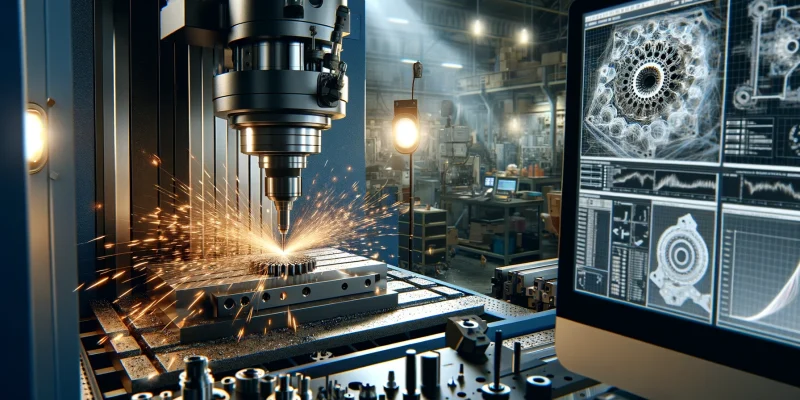
Modern manufacturing runs on accuracy, timing, and getting things right again and again. When it comes to thailand precision machining, the whole process depends on how well each step connects with the next. This is not just about machines doing the work. It is about how people plan, adjust, and sometimes fix things midway.
And honestly, even small changes in setup can shift the outcome more than expected.
How machining shapes industrial production today
Machining is behind a lot of everyday products, even if people do not notice it. Parts used in vehicles, devices, and machines all go through shaping processes before they are ready.
Most setups today use CNC machines. These systems follow programmed instructions, which helps reduce errors. But that does not mean everything runs perfectly every time. Sometimes, slight variations still show up depending on how things are handled.
So while machines do the cutting, people still guide the results.
Materials used in high accuracy component work
Material choice is not just a basic step. It changes how everything behaves later. Plastics and brass also come into play depending on the purpose of the part.
- Aluminum allows faster cutting
- Steel needs stronger tools
- Brass gives smoother finishes
- Plastics behave differently under heat
That difference matters more than it seems.
Inside a typical machining workflow step by step
Most workflows follow a general order, but real production is not always that neat.
- Design is created
- Material is selected
- Machine is prepared
- Tools are fitted
- Cutting begins
- Finishing is applied
Sounds straightforward. But during actual work, operators often pause, adjust speeds, or change tools. These little shifts keep the part within required limits.
Sometimes the process moves smoothly. Sometimes it does not.
Where automation fits into current production
Automation helps speed things up, no doubt. Machines can run longer and handle repetitive tasks better than manual setups.
- Consistent output across batches
- Less human error in repeated steps
- Faster overall production
- Better use of time
But machines do not always catch everything. If something unusual happens, someone still needs to step in and correct it.
So automation supports the process, it does not fully replace human judgment.
Small details that impact final product finish
This is the part many people overlook.
Tool condition, machine alignment, even room temperature can affect results. A slightly worn tool can change the finish. A small calibration issue can shift dimensions.
Not always obvious at first.
And this is where experience shows up quietly. Someone who has seen these patterns before will notice things earlier than others.
In many situations, thailand precision machining works best when attention stays on both the big picture and the small details at the same time.





Comments