
 By
By 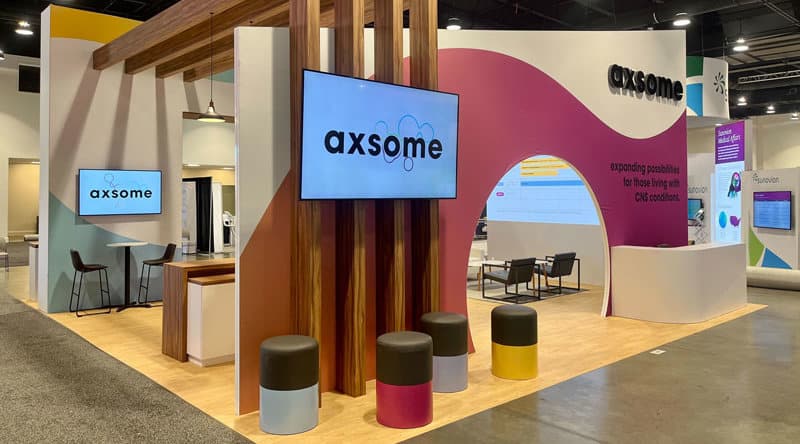
When planning your presence at a trade show, one of the most important decisions you’ll make is selecting the right booth size. Your booth isn’t just a physical space — it’s the stage where you showcase your brand, engage prospects, and build relationships. Choosing the perfect booth size can influence your visibility, the type of experience you offer, and ultimately, your return on investment.
In this post, we’ll walk through key factors to consider when choosing your trade show booth size to ensure it aligns with your goals and helps you make the biggest impact.
Understand Your Objectives
Before diving into dimensions, clarify what you want to achieve at the show. Your booth size should directly support these goals.
- Brand Awareness: If your goal is to increase brand visibility and presence, a larger booth might be necessary to stand out among competitors.
- Lead Generation: For focused lead capture, a mid-sized booth that facilitates intimate conversations might be ideal.
- Product Demos or Launches: Larger spaces allow for demo areas, interactive displays, or private meeting zones.
- Networking and Partnerships: A booth with room for seating or lounge areas encourages deeper, more meaningful discussions.
Knowing your objectives will guide your space requirements and help avoid overspending on unnecessary square footage.
Consider Your Budget
Booth size often directly impacts your budget. Larger booths cost more not only in rental fees but also in design, build, shipping, and staffing.
It’s essential to balance size with budget to maximize ROI. Sometimes a smaller, well-designed booth with high engagement can outperform a bigger but poorly executed space.
Make sure to factor in:
- Booth rental costs (typically charged per square foot)
- Build and design expenses
- Shipping and installation fees
- Additional costs for furniture, technology, and staffing
Assess the Trade Show Floor Layout
Understand the venue’s layout and the placement options available:
- High Traffic Areas: Booths near entrances, food courts, or popular attractions usually receive more foot traffic, so a smaller booth here might perform better than a larger booth in a less trafficked area.
- Adjacent Exhibitors: Consider who your neighbors are. Large booths next to you might overshadow a small space, affecting visibility.
- Booth Shape and Configuration: Some venues offer non-standard shapes or corners, which might influence how much usable space you actually get.
Request floor plans from organizers early and review all options carefully.
Think About Your Booth Activities
What will you be doing in your booth? Your planned activities will dictate space needs.
- Product Display: Do you need space to showcase multiple products or large items?
- Demonstrations: Will you run live demos that require audience space?
- Meeting Areas: Do you need private or semi-private areas for conversations?
- Storage: Don’t forget storage space for giveaways, literature, and supplies.
Ensure your booth size accommodates these functions comfortably without feeling cramped.
Plan for Staffing Needs
Your booth size should also accommodate your team comfortably. Consider how many staff members will be working and how they’ll interact with visitors.
Overcrowding can create a poor visitor experience. Aim for enough room so staff can move easily, engage guests, and manage demos or presentations without bottlenecks.
Evaluate Your Brand Presence and Message
Your booth is an extension of your brand. Think about how your size choice reflects your company’s image:
- A large, impressive booth can signal market leadership and confidence.
- A smaller, sleek booth might emphasize agility, innovation, or boutique service.
- Consistency with your marketing message ensures your space feels authentic.
Use Modular and Flexible Booth Designs
If your budget or needs change from event to event, consider modular booths that can be scaled up or down. Modular systems offer flexibility and often better cost efficiency over time.
They can be reconfigured to fit different booth sizes, reducing the need to invest in entirely new setups.
Don’t Forget Practical Considerations
- Storage: Will your booth size allow you to hide clutter or extra materials?
- Traffic Flow: Ensure the booth size supports smooth movement of visitors.
- Accessibility: Make sure your booth meets accessibility guidelines for all attendees.
- Local Regulations: Check for any venue-specific restrictions on booth size or design.
Final Thoughts
Choosing the right trade show booth size is a strategic decision that impacts every aspect of your event success — from budget to visitor engagement. By aligning your space with your goals, budget, activities, and brand identity, you set yourself up to create a memorable and effective presence.
Remember, bigger isn’t always better. A well-thought-out smaller booth can be just as powerful as a large one if it’s designed to maximize impact.
If you’re unsure about the ideal size for your next trade show, consider consulting with a professional trade show design partner. They can help you evaluate your goals, the event environment, and your budget to recommend the best fit. We recommend checking out https://expomarketing.com/.






Comments