
 By
By 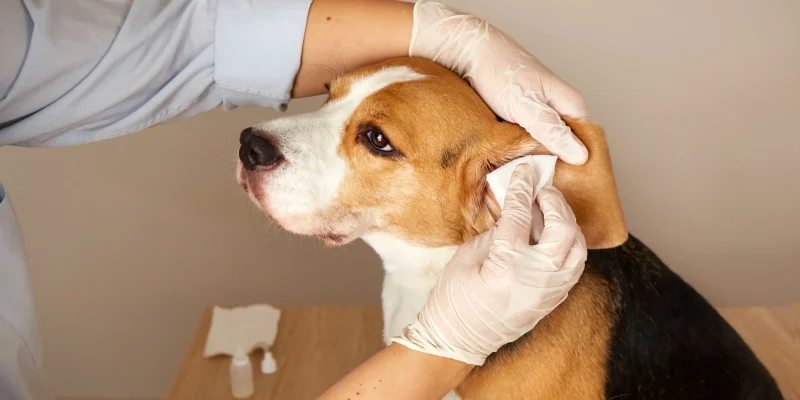
Allergies can leave your pet restless, raw, and withdrawn. You see the chewing, licking, and constant scratching. You may feel helpless. Animal hospitals step in with clear steps that protect your pet and calm your home. First, the team listens to you. Then they study your pet’s skin, ears, and breathing. Next, they use tests to sort out food triggers, fleas, pollen, or dust. A Burlington veterinarian may suggest changes in diet, medicine, or special baths. Some pets need allergy shots that slowly train the body to react less. Other pets need strict flea control and regular cleaning at home. Each plan is simple, specific, and focused on relief. You get straight answers about what to watch, what to avoid, and when to seek help. Your pet gets steady care that reduces flare-ups and restores comfort.
Common Signs That Point To Allergies
You know your pet best. You see the early signs long before anyone else. Watch for three common patterns.
- Skin changes. Red patches, hair loss, stained fur, or rough spots.
- Ear trouble. Head shaking, dark debris, or a strong smell from the ears.
- Breathing and face signs. Sneezing, runny eyes, or licking at paws and belly.
These signs can come from other problems like infections or parasites. That is why guessing at home can waste time and money. A clear exam at an animal hospital gives you a solid answer.
How Animal Hospitals Sort Out The Cause
Allergy care starts with three steps. You talk. The team looks. Then they test.
- History. You share food, treats, shampoos, bedding, and seasonal changes.
- Physical exam. The team checks skin, ears, paws, and breathing.
- Targeted tests. Skin scrapings, ear swabs, and sometimes blood work.
For many pets, staff also use allergy tests. These can include blood tests or skin tests. The goal is to find what your pet reacts to. Common groups are fleas, food proteins, and stuff in the air like pollen or dust.
Types of Allergies Animal Hospitals See Most
Most pet allergies fall into three main groups. Each group needs a different plan.
|
Allergy type |
Usual triggers |
Common signs |
Typical hospital steps |
|---|---|---|---|
|
Flea allergy |
Saliva from a single flea bite |
Raw lower back, tail base, sudden itching |
Fast flea control, soothing skin care, home flea plan |
|
Food allergy |
Proteins like chicken, beef, dairy, soy |
Year-round itching, ear infections, stomach upset |
Prescription diet trial, strict feeding plan, careful rechecks |
|
Environmental allergy |
Pollen, dust mites, molds |
Seasonal itching, paw licking, face rubbing |
Allergy testing, medicine, allergy shots, home cleaning steps |
Testing And Treatment Plans You Can Expect
Once the team finds the likely cause, they build a clear plan. You usually see three layers of care.
- Remove or reduce the trigger. Flea control. Diet changes. Home cleaning habits.
- Relieve current pain. Ear drops. Skin rinses. Short use of stronger medicine when needed.
- Prevent the next flare. Long-term allergy control with safer daily tools.
For food allergies, many hospitals use an eight to twelve-week diet trial. Your pet eats only a special diet and water. No treats. No table scraps. After that, the team may add old foods back one at a time to confirm the cause. The Merck Veterinary Manual dog allergy guide walks through this method in more detail.
Medicines And Allergy Shots
Animal hospitals use different medicines with clear goals.
- Anti-itch drugs. These calm scratching and help sleep.
- Fatty acid supplements. These support the skin barrier.
- Topical care. Medicated shampoos and wipes that cut germs and soothe skin.
- Short steroid use. This can help during severe flares when other steps are not enough.
Some pets get allergy shots or oral drops. The team sends a sample to a lab, then uses the results to build a custom mix. You give tiny doses over time. This can train your pet’s body to react less. The process is slow but can give strong long-term relief when other paths fall short.
Home Care That Supports Hospital Treatment
Hospital care works best when home habits match the plan. Three steps matter most.
- Follow flea and tick control on schedule for every pet in the home.
- Use the prescribed diet only. Read every label. Watch family and guests.
- Clean often. Wash pet bedding in hot water. Vacuum soft surfaces and dust hard ones.
Baths with the right shampoo can remove pollen and soothe skin. Ear cleaning with products your hospital recommends keeps canals clear. Careful records of flare dates, foods, and weather help the team adjust the plan.
When To Seek Help Right Away
Some allergy signs need fast care. Call an animal hospital at once if you see any of these.
- Swelling of the face or muzzle.
- Hives or raised bumps over large parts of the body.
- Fast breathing, open mouth breathing in cats, or collapse.
These can signal a sudden, strong reaction. Prompt care protects your pet and can stop a crisis.
Working With Your Animal Hospital Over Time
Allergies rarely vanish. Instead, you learn to control them. Regular visits, honest updates, and shared decisions keep your pet steady. Over time, you and the hospital team find the smallest mix of steps that holds symptoms down. You protect your pet from constant itching and ear pain. You also protect your home from worry and lost sleep. With steady care, most pets with allergies still enjoy long, active, and peaceful lives.











Comments