
 By
By 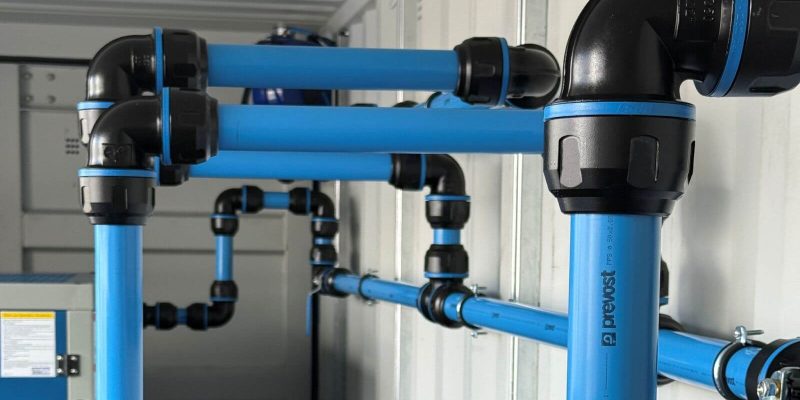
Compressed air systems are an essential part of many industrial and commercial operations. From manufacturing and engineering to automotive workshops and food production, businesses rely on compressed air to power tools, machinery, and automated systems efficiently. Often referred to as the “fourth utility” after electricity, gas, and water, compressed air plays a critical role in maintaining productivity and operational performance.
Specialist providers such as SWP Compressed Air Services help businesses maintain reliable and efficient compressed air systems through installation, servicing, and ongoing maintenance support.
What Is a Compressed Air System?
A compressed air system generates and stores pressurised air that can be used to power equipment and machinery.
How It Works
Air compressors draw in atmospheric air, compress it, and store it within a system for later use. The compressed air is then distributed through pipework to power tools, machinery, or production equipment.
Common Industrial Applications
Compressed air is widely used in manufacturing, construction, automotive repair, packaging, and many other industries.
Supporting Automation
Modern automated production lines often depend on compressed air systems for pneumatic controls and machinery operation.
Why Reliable Compressed Air Matters
A dependable compressed air system is essential for maintaining smooth business operations.
Improving Productivity
Efficient compressed air systems help keep equipment operating consistently, reducing delays and interruptions.
Reducing Downtime
Unexpected compressor failures can disrupt entire production processes. Regular maintenance helps minimise breakdown risks.
Supporting Workplace Safety
Well-maintained systems help reduce pressure-related hazards and ensure safe operation across industrial environments.
Maintaining Product Quality
In sectors such as food production and manufacturing, consistent air pressure and clean air quality are important for maintaining product standards.
Common Components of Compressed Air Systems
A complete compressed air setup includes several important elements.
Air Compressors
Compressors generate the pressurised air needed to power equipment and systems.
Air Receivers and Storage Tanks
Storage tanks help regulate air supply and maintain stable system pressure.
Filtration Systems
Filters remove moisture, oil, and contaminants from compressed air to protect machinery and maintain air quality.
Pipework and Distribution Systems
Pipe networks deliver compressed air efficiently throughout facilities and workspaces.
The Importance of Regular Maintenance
Routine servicing is essential for keeping compressed air systems operating efficiently.
Preventing Energy Waste
Leaks and poorly maintained systems can significantly increase energy consumption and operating costs.
Extending Equipment Lifespan
Regular inspections and servicing help reduce wear on compressors and connected equipment.
Improving System Efficiency
Clean filters, proper lubrication, and pressure monitoring help maintain optimal performance.
Energy Efficiency and Sustainability
Energy efficiency has become a growing priority for businesses using compressed air systems.
Reducing Operating Costs
Efficient systems consume less electricity, helping businesses reduce utility expenses.
Detecting Air Leaks
Even small leaks can waste large amounts of energy over time, making regular inspections important.
Modern Energy-Efficient Compressors
Newer compressor technologies are designed to deliver higher performance while using less energy.
Industries That Depend on Compressed Air
Compressed air systems are widely used across many sectors.
Manufacturing and Engineering
Factories rely on compressed air for powering machinery, tools, and production systems.
Automotive Workshops
Garages and repair centres commonly use pneumatic tools and spray systems powered by compressed air.
Food and Beverage Production
Clean compressed air is essential for packaging, processing, and maintaining hygiene standards.
Construction and Heavy Industry
Construction equipment and industrial tools often depend on portable and fixed compressed air systems.
Tips for Maintaining Compressed Air Systems
Businesses can take several steps to improve system performance.
Schedule Routine Servicing
Regular maintenance helps identify issues before they lead to costly breakdowns.
Monitor Pressure Levels
Maintaining correct air pressure improves efficiency and reduces unnecessary strain on equipment.
Inspect for Leaks
Routine leak detection can significantly reduce wasted energy and operating costs.
Replace Filters Regularly
Clean filtration systems help protect equipment and maintain air quality.
FAQs
What is compressed air used for?
Compressed air powers tools, machinery, automation systems, and industrial equipment across many industries.
Why is compressed air called the fourth utility?
Because it is considered as essential to many businesses as electricity, water, and gas.
How can compressed air systems improve efficiency?
Efficient systems reduce downtime, improve productivity, and support consistent equipment performance.
Why is maintenance important for compressors?
Regular maintenance helps prevent breakdowns, improve energy efficiency, and extend equipment lifespan.
Can compressed air systems waste energy?
Yes, leaks and poorly maintained systems can lead to significant energy loss and higher operating costs.
Conclusion
Compressed air systems are a vital part of modern industrial and commercial operations, supporting everything from manufacturing and automation to vehicle repair and food production. Reliable and efficient systems help businesses maintain productivity, improve safety, and reduce energy costs. As industries continue focusing on operational efficiency and sustainability, properly maintained compressed air systems will remain essential for long-term business performance.










Comments