
 By
By 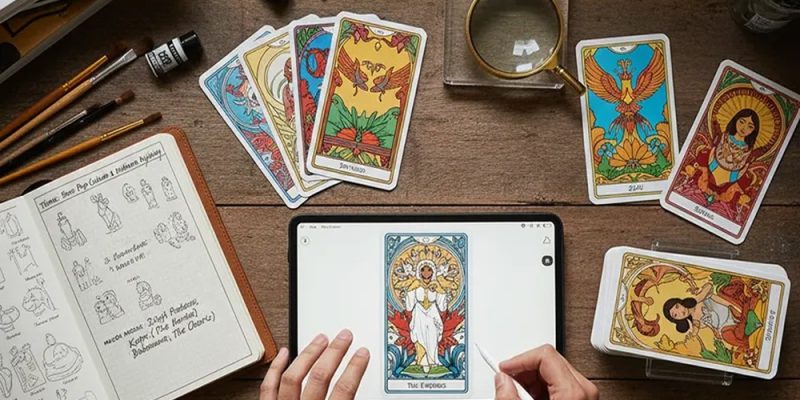
Creating a tarot deck is intimate work. Artists shape symbols with care. The cards must feel alive. But production realities shape each decision. The journey blends creativity and discipline. So, designers must think beyond illustration. The market expects beauty and durability. Vision alone is not enough. Practical limits guide the final result.
Designing with Purpose
The creative process begins with concept. The theme defines every image. The mood sets emotional tone. The artwork must serve symbolism and clarity. You need cohesion across all cards. Each illustration carries narrative weight. The deck must feel unified and intentional.
Artists often seek guidance from experienced manufacturers like Admagic to align creative goals with technical standards. Paper thickness affects shuffle quality. Ink choice shapes color depth. The finish changes tactile response. These details influence user experience. The artist must respect such constraints.
Material Choices and Technical Constraints
Material selection shapes performance. Card stock determines strength and flexibility. A smooth finish enhances color brilliance. A matte finish softens glare. Sometimes, texture adds a unique touch. However special textures increase complexity. Each choice affects production timelines.
Printers analyze bleed lines and margins carefully. Minor alignment errors can ruin artwork. The designer must adjust layouts precisely. Color profiles require calibration before printing. Digital screens mislead color perception. So, proofs become essential checkpoints. Admagic provides guidance during this phase to ensure color fidelity and structural balance. Technical precision protects creative intent.
Cost Management and Market Positioning
Budget planning shapes every decision. Printing variables influence final pricing. Large print runs reduce unit cost. Small batches allow exclusivity and flexibility. So, creators must evaluate demand carefully. When artists choose to print custom tarot cards, financial forecasting becomes essential to maintain sustainable production and competitive pricing. Distribution channels affect margin expectations. Retail partnerships require consistent quality standards. Direct sales demand strong brand storytelling. Sometimes premium finishes justify higher prices.
Collaboration and Quality Control
Successful decks emerge from collaboration. Artists work with printers closely. Feedback loops refine details. The proofing stage demands patience. Minor flaws must be corrected early. You protect reputation through vigilance. Quality control continues after printing. Random inspections verify consistency. Packaging assembly requires careful handling. Shipping preparation needs secure wrapping. Now attention shifts to marketing execution. Clear product photography showcases artwork. Honest descriptions build consumer trust. Admagic supports creators during final checks to ensure production standards remain high and consistent. Collaboration transforms vision into reliable products.
Conclusion
Balancing art and feasibility require discipline. Creative passion drives the project. Technical knowledge guides execution. But harmony between both defines success. The tarot deck must inspire users. It must also withstand repeated handling. Strategic planning supports artistic freedom. Thoughtful production decisions protect investment. Designers who embrace practical limits strengthen their creative impact. The final deck becomes both expressive and durable.









Comments