
 By
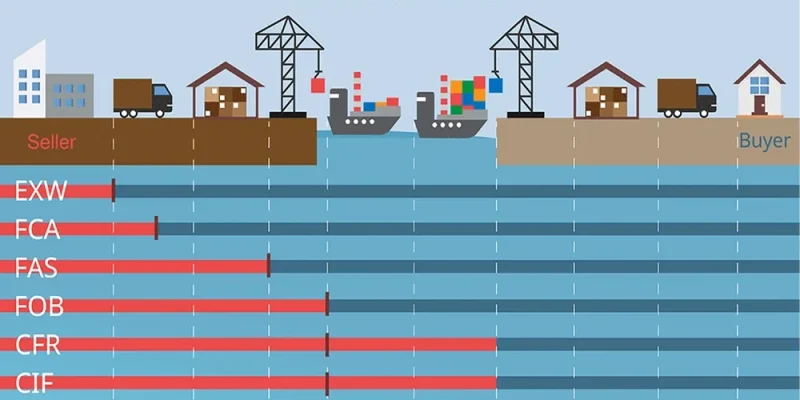
Every international sale begins with an agreement about delivering goods to the buyer. For export businesses, the chosen delivery rule can shape the entire transaction. A small difference in contractual terms may change who arranges freight or pays for handling. Understanding these details helps businesses prepare accurate quotations and avoid confusion during shipment. インコタームズ provides both parties with a clear foundation for defining delivery responsibilities.
Understanding Incoterms Responsibilities
Incoterms establish clear duties for buyers and sellers during international trade. Each rule explains when responsibility for goods passes from one party to another. It also identifies who arranges transportation and pays the related charges. These details matter before a sales agreement is signed.
A seller may arrange delivery to a named destination while the buyer handles other duties. Another agreement may require the buyer to collect goods directly from the seller. The right choice depends on what both parties can manage.
Evaluating Delivery Requirements
Delivery needs differ according to the goods being shipped and the buyer’s arrangements. Some buyers prefer collecting goods from the seller’s premises. Others want the seller to arrange delivery to a specified location.
The agreed destination should be written clearly in the contract. This helps both parties understand where delivery takes place and which duties remain after that point. A suitable rule should reflect the actual arrangement rather than an assumed preference.
Businesses can consider these points before confirming an agreement:
- Identify the collection point before preparing shipping documents.
- Confirm who arranges transport from the seller’s premises.
- Write the agreed destination clearly within the sales contract.
- Check who manages loading at the collection point.
- Match delivery terms with the buyer’s operating needs.
Matching Transportation Methods
The way goods move between parties affects the choice of Incoterm. Some rules work with any mode of transport. Others apply only to sea or inland waterway shipments.
A business should consider the actual journey before selecting a rule. The chosen term must match the shipment arrangement. This helps both parties coordinate their duties with the carrier.
Managing Costs and Responsibilities
A delivery agreement can affect the seller’s pricing and the buyer’s total expenses. Some terms require the seller to pay carriage to the agreed destination. Other terms allow the buyer to arrange freight directly.
Businesses should understand these differences before offering a price. A quotation based on the wrong assumption may create unexpected expenses later. Understanding インコタームズ helps both parties agree on who pays each charge and supports a smooth transaction.
The following details deserve attention before signing:
- Estimate freight charges before preparing the commercial quotation.
- Confirm who pays for export customs clearance.
- Check whether insurance is required under the agreement.
- Establish who covers unloading at the destination.
- Record each agreed expense within the sales contract.
Selecting Terms for Business Needs
A suitable Incoterm should reflect the resources available to each business. A small company may prefer a rule that limits its transport duties. An established trading company may have staff who can arrange freight independently.
The nature of the goods also matters. Certain shipments require careful handling or specific delivery arrangements. Businesses should consider these needs before agreeing on a term.
Preparing Accurate Shipping Agreements
The chosen Incoterm should be recorded clearly in the sales contract. Businesses should include the named delivery location and the applicable edition of the rules. These details help avoid confusion when the shipment is prepared.
Before dispatch, both parties should review the agreed duties. The seller can confirm which documents are required. The buyer can prepare for receiving the goods and completing any assigned formalities.
Businesses can make better delivery decisions by matching contractual terms with their actual needs. Reviewing available resources helps identify a suitable arrangement. Clear agreements also give both parties a shared understanding of their duties. Before confirming a sale, check the delivery point and payment responsibilities. These steps support smoother transactions and help maintain dependable business relationships.




Comments